


Integration Platform as a Service (iPaaS) has emerged as a transformative technology in the digital ecosystem, helping businesses streamline data integration and simplify the connection between applications. As organizations increasingly adopt cloud-based solutions, iPaaS plays a crucial role in ensuring seamless communication and workflow across disparate systems. This article explores the definition, benefits, features, and real-world use cases of iPaaS—offering a comprehensive look into why it's a must-have for modern enterprises.
What is Integration Platform as a Service (iPaaS)?
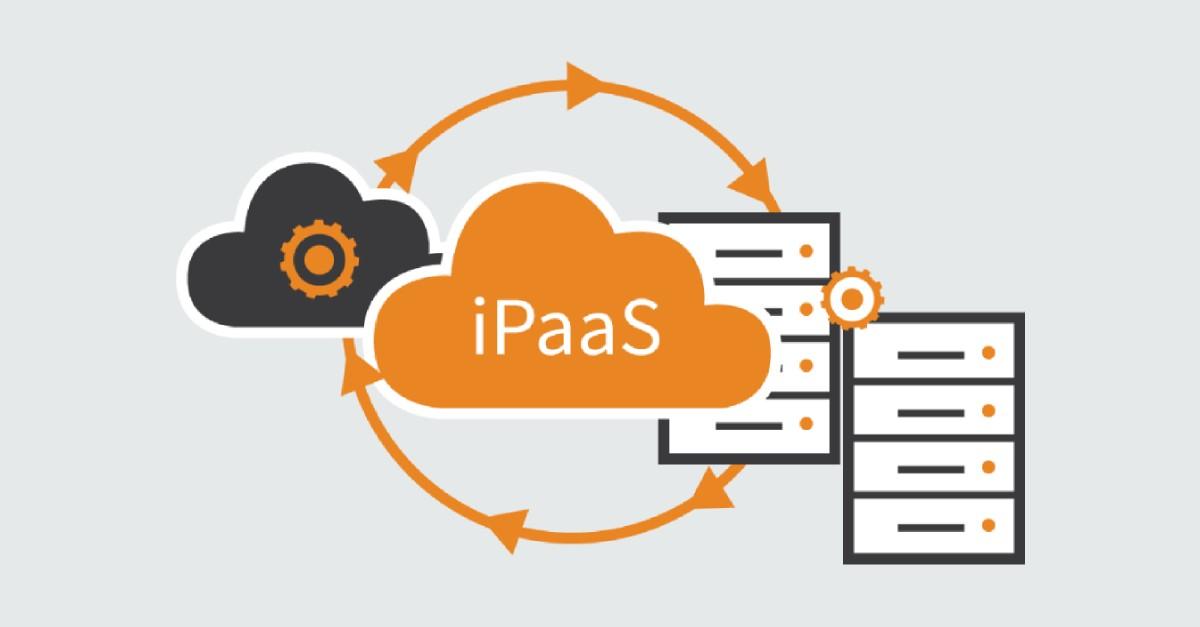
Integration Platform as a Service, or iPaaS, is a cloud-based suite of tools that enables the integration of various applications and data sources. It acts as a middleware between on-premise and cloud systems, ensuring real-time data flow, automation, and synchronization. Unlike traditional integration methods, iPaaS requires minimal coding, making it accessible even for non-developers. Businesses use iPaaS to connect CRM systems, ERPs, SaaS applications, APIs, and databases, ensuring all components of their digital environment communicate effectively.
One of the primary reasons organizations opt for iPaaS is its ability to reduce complexity. It eliminates the need for multiple point-to-point integrations by offering a centralized platform where all connections can be managed. This not only accelerates deployment but also reduces maintenance efforts and operational costs over time.
Key Benefits of iPaaS
iPaaS delivers a wide range of benefits that enhance business agility and data efficiency. First and foremost, it offers streamlined integration of cloud and on-premise applications. This is particularly valuable in hybrid IT environments, where seamless data sharing is essential for performance and customer satisfaction.
Another critical benefit is automation. iPaaS enables businesses to automate repetitive data tasks, such as syncing customer records or financial transactions across platforms. This minimizes manual errors and frees up valuable employee time for more strategic activities. Additionally, iPaaS solutions typically include real-time monitoring tools, providing full visibility into data pipelines and integrations.
Essential Features of iPaaS Solutions
Modern iPaaS platforms are equipped with a variety of features designed to support robust integration. Pre-built connectors are among the most notable, allowing users to integrate commonly used applications like Salesforce, Slack, QuickBooks, and more with minimal setup. These connectors accelerate deployment and reduce the technical complexity involved.
Another significant feature is workflow orchestration, which lets users build custom data flows using visual, drag-and-drop interfaces. This democratizes integration tasks, allowing teams without deep coding knowledge to set up and manage workflows. Advanced platforms also support API management, enabling developers to create, publish, and secure APIs within the same environment.
Additionally, data transformation tools are built into most iPaaS platforms, ensuring that data passed between systems remains consistent and usable. Combined with error-handling and logging mechanisms, these features contribute to a stable, transparent, and resilient integration environment.
Use Cases of iPaaS in Business
iPaaS is widely used across various industries and departments for a variety of integration scenarios. In sales and marketing, businesses integrate CRM tools with email platforms, ad channels, and analytics software to create a unified view of customer interactions. This enables personalized marketing campaigns and improves lead conversion rates.
In finance, iPaaS helps connect accounting software with ERP systems, banks, and payment gateways. This ensures financial data is always up-to-date, improving forecasting and compliance reporting. Similarly, HR departments use iPaaS to sync recruitment platforms, employee databases, and payroll systems, reducing onboarding times and improving workforce planning.
The e-commerce sector benefits significantly from iPaaS as well. Retailers can integrate inventory management systems, online storefronts, and delivery services, ensuring smooth order fulfillment and real-time stock updates. For healthcare organizations, iPaaS allows for the secure and compliant sharing of patient records across platforms, enhancing patient care and operational efficiency.
Scalability and Flexibility in Integration
One of the most powerful aspects of iPaaS is its scalability. As a business grows and its IT landscape evolves, iPaaS can scale to accommodate new applications and data flows without major reconfiguration. This makes it ideal for organizations undergoing digital transformation or expanding into new markets.
iPaaS platforms are also known for their flexibility. Whether a business needs batch data synchronization, real-time event triggers, or hybrid integrations, iPaaS can be tailored to fit the specific use case. Vendors often offer customization options and integration templates to simplify deployment in both small businesses and large enterprises.
iPaaS vs Traditional Integration Methods
Compared to traditional integration approaches like Enterprise Service Bus (ESB) or custom APIs, iPaaS offers a more agile, cost-effective, and cloud-native solution. ESBs typically require significant infrastructure investment and technical expertise, whereas iPaaS platforms are hosted in the cloud and managed by the provider. This removes the burden of maintenance and upgrades from internal IT teams.
Furthermore, iPaaS solutions can be implemented faster, and updates can be rolled out seamlessly. The intuitive interfaces and low-code capabilities empower business users to take control of integration processes, making IT departments more efficient and responsive to changing business needs.
Security and Compliance Considerations
As with any data-focused platform, security and compliance are essential elements of iPaaS solutions. Reputable providers offer robust security features, including data encryption, access control, and compliance with industry standards such as GDPR, HIPAA, and SOC 2.
Cloud-native iPaaS platforms are often built with multi-tenant architectures, ensuring secure data separation between clients. Additionally, continuous monitoring, audit logs, and role-based access help organizations maintain visibility and control over their integrations.
Choosing the Right iPaaS Platform
Selecting the best iPaaS solution depends on your specific business needs, technical landscape, and integration goals. Key factors to consider include the number of supported connectors, ease of use, pricing model, customer support, and platform scalability. It’s also important to evaluate whether the platform supports hybrid and multi-cloud environments if your organization uses diverse infrastructures.
Some of the leading iPaaS providers include MuleSoft, Boomi, Workato, Jitterbit, SnapLogic, and Microsoft Power Automate. Each offers distinct features tailored to different user groups—from small businesses needing basic automation to enterprises requiring complex orchestration.
Source - https://www.marketresearchfuture.com/reports/integration-platform-as-a-service-market-5519
Integration Platform as a Service (iPaaS) is transforming the way organizations connect their digital tools and data. With its cloud-native architecture, pre-built connectors, low-code interfaces, and scalability, iPaaS offers a modern and flexible approach to data integration. Whether automating routine workflows or building real-time, enterprise-level integrations, iPaaS empowers businesses to move faster, operate smarter, and stay ahead in an increasingly interconnected world.
By adopting iPaaS, companies not only reduce IT overhead but also unlock greater agility and innovation. As more businesses shift toward digital ecosystems, iPaaS will continue to serve as the backbone for efficient, scalable, and secure integrations across industries.

 English
 Arabic
 French
 Spanish
 Portuguese
 Deutsch
 Turkish
 Dutch
Dutch
 Italiano
 Russian
 Romaian
 Tiếng Việt