


The intricate global web that moves goods from raw materials to end consumers is undergoing its most significant transformation since the invention of the shipping container. At the core of this revolution is the burgeoning AI in Supply Chain industry, a sector focused on embedding intelligent, data-driven decision-making into every link of the value chain. This industry leverages artificial intelligence and machine learning to move beyond the reactive, manual processes of the past, aiming to create supply chains that are not just efficient, but also predictive, agile, and resilient. By analyzing vast and complex datasets in real-time, AI can forecast demand with unprecedented accuracy, optimize logistics networks dynamically, predict equipment failures before they happen, and automate complex warehouse operations. It represents a fundamental shift from managing supply chains based on historical trends and human intuition to orchestrating them with the precision and foresight of advanced computational intelligence. This transition is no longer a futuristic concept; it is a strategic imperative for any company looking to compete and thrive in a world characterized by increasing volatility, complexity, and customer expectations for speed and transparency.
Traditionally, supply chains have operated as a series of disconnected, siloed functions—procurement, manufacturing, warehousing, and transportation—each optimizing for its own goals. This fragmentation leads to significant inefficiencies, such as the "bullwhip effect," where small fluctuations in end-customer demand are amplified into massive inventory swings further up the chain. The traditional model is inherently reactive, struggling to cope with unforeseen disruptions like natural disasters, geopolitical events, or sudden spikes in demand, as vividly demonstrated during the recent global pandemic. Decision-making is often based on lagging indicators and incomplete information, leading to costly overstocking, stockouts, and expedited shipping. Lacking end-to-end visibility, managers are often "flying blind," unable to see a problem developing until it has already impacted operations. In this legacy paradigm, processes are heavily manual, relying on spreadsheets, phone calls, and emails, making them slow, error-prone, and incapable of operating at the scale and speed required by the modern digital economy. This inherent fragility and inefficiency have created a pressing need for a more intelligent and integrated approach.
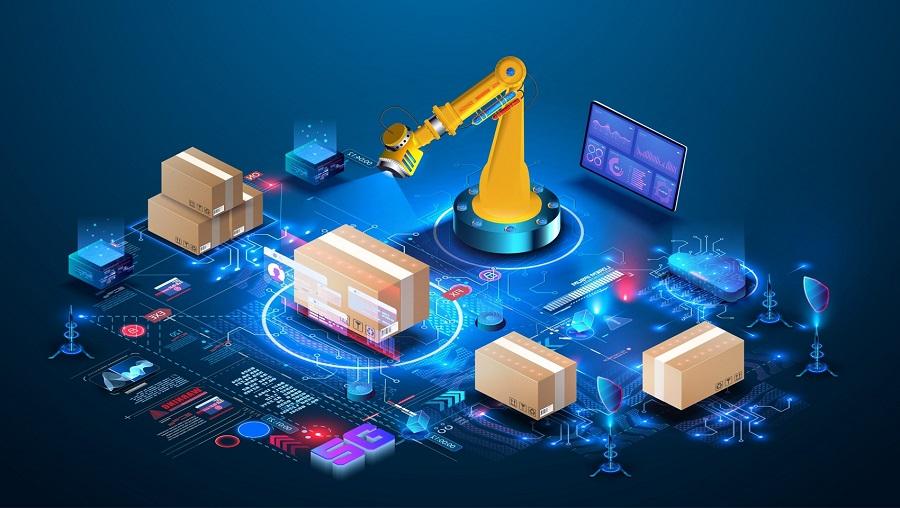
Artificial intelligence provides the technological toolkit to dismantle these silos and build a truly connected, intelligent supply chain. Machine Learning (ML) is the workhorse, with its algorithms powering everything from sophisticated demand forecasting models that analyze hundreds of variables to predictive maintenance systems that monitor sensor data from machinery to anticipate failures. Natural Language Processing (NLP) enables the automation of unstructured communication, allowing AI systems to understand and process information from emails, contracts, and supplier documents, or to power chatbots that handle customer service inquiries. Computer Vision is transforming warehouse and yard management, with AI-powered cameras that can automatically track inventory, inspect goods for damage, or guide autonomous robots and drones. And robotics, increasingly guided by AI, is automating the physical tasks of picking, packing, and transporting goods, increasing speed and accuracy while reducing reliance on manual labor for repetitive tasks. Together, these technologies form a powerful synergy, automating both cognitive and physical processes across the entire supply chain.
Ultimately, the goal of integrating AI into the supply chain is to create a fully autonomous, self-learning, and self-healing ecosystem. This concept is often described as creating a "digital twin"—a dynamic, virtual replica of the entire physical supply chain. This digital twin is fed with real-time data from IoT sensors, GPS trackers, weather reports, social media trends, and enterprise systems. AI algorithms continuously analyze this model to run simulations, predict the impact of potential disruptions, and identify opportunities for optimization. When an issue is detected—such as a delayed shipment, a sudden demand spike, or a potential quality problem—the AI can automatically evaluate various response scenarios and either recommend a course of action to a human manager or, in a fully autonomous system, execute the optimal solution itself. This could involve re-routing shipments, adjusting production schedules, or shifting inventory between warehouses, all in real-time and without direct human intervention. This vision of a sentient, self-orchestrating supply chain represents the pinnacle of operational excellence and resilience.
Explore More Like This in Our Regional Reports:

 English
 Arabic
 French
 Spanish
 Portuguese
 Turkish
 Dutch
Dutch
 Italiano
 Russian
 Romaian
 Portuguese (Brazil)
 Tiếng Việt