


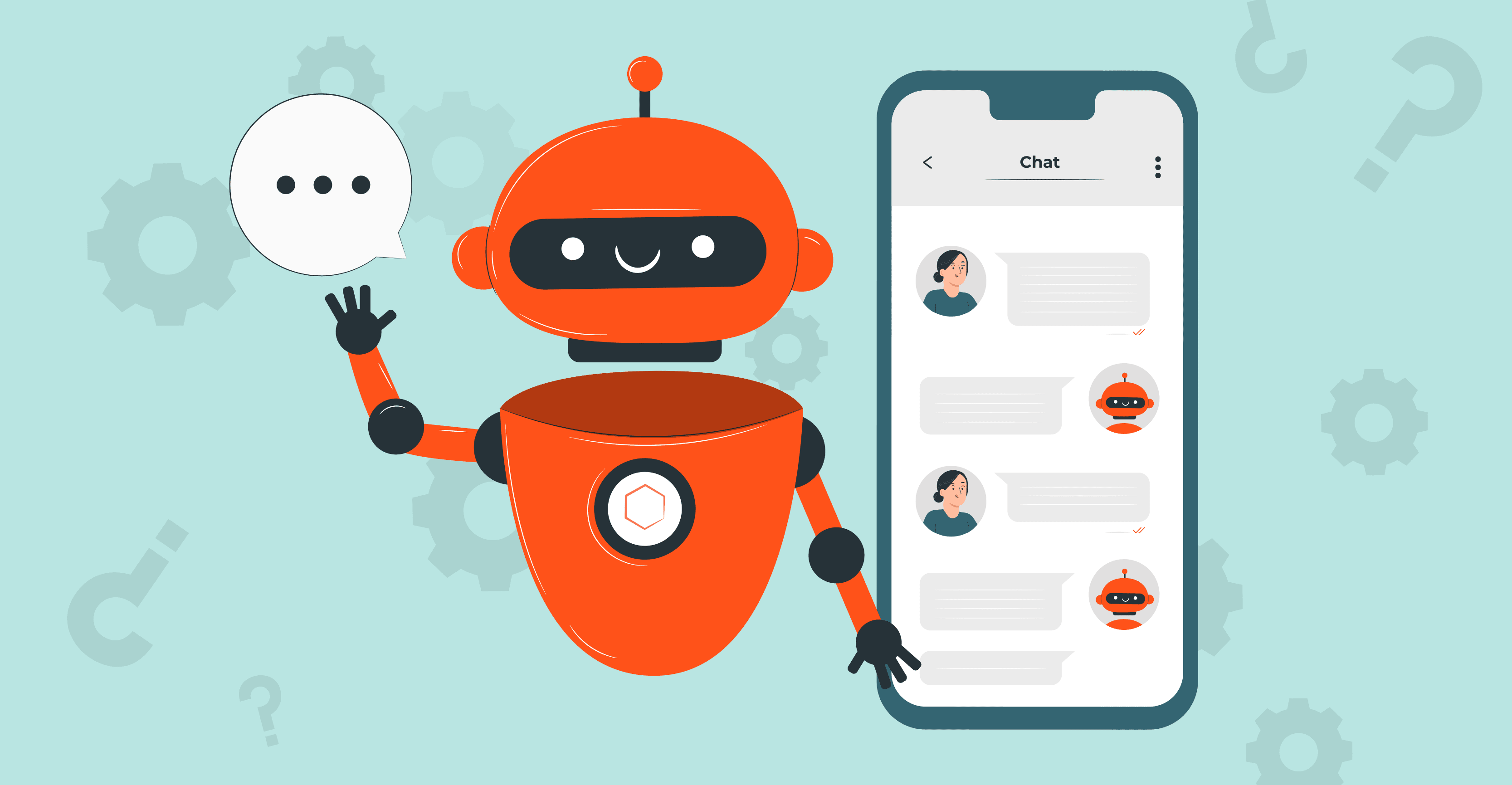
The most significant and disruptive trend currently shaping the future of the chatbot market is the integration of Generative AI and Large Language Models (LLMs). This new wave of technology, exemplified by models like OpenAI's GPT-4 and Google's LaMDA, represents a fundamental paradigm shift in conversational AI. While previous generations of chatbots were primarily retrieval-based—meaning they were limited to pulling answers from a pre-defined script or knowledge base—generative models can create entirely new, human-like text in real time. This capability moves chatbots from being simple information-retrieval tools to becoming dynamic, creative, and highly flexible conversational partners. The impact of this technology is so profound that it is not just improving existing chatbot applications but is also creating entirely new categories of use cases and redefining what is possible in human-computer interaction.
The key difference between traditional and generative chatbots lies in how they formulate responses. A traditional chatbot uses Natural Language Understanding (NLU) to match a user's query to a pre-written "intent" and then delivers a corresponding, pre-approved answer. This approach is reliable and controllable but also rigid and limited. A generative chatbot, powered by an LLM, can understand a query and then generate a unique, contextually appropriate response on the fly, even if it has never seen that exact question before. This allows for much more fluid, open-ended, and natural conversations. A user can ask follow-up questions, change the subject, and interact in a far less structured way, and the LLM-powered bot can adapt its responses accordingly, maintaining context and providing a more satisfying and less robotic user experience that feels closer to talking with a human expert.
This generative capability unlocks a vast array of new applications that were previously out of reach for chatbots. Beyond answering simple customer service questions, generative AI enables chatbots to perform complex, creative, and knowledge-intensive tasks. For example, a chatbot can now act as a powerful productivity tool, capable of summarizing long articles or reports, drafting emails and marketing copy, writing and debugging code snippets, or acting as a brainstorming partner for new ideas. In e-commerce, it can write compelling, personalized product descriptions. In education, it can serve as a personalized tutor, explaining complex topics in different ways. The chatbot market size is projected to grow USD 42.23 Billion by 2035, exhibiting a CAGR of 18.38% during the forecast period 2025-2035. The integration of these advanced generative capabilities will be a primary catalyst for this accelerated growth, opening up new revenue streams and applications.
Despite their revolutionary potential, the adoption of LLMs in chatbots comes with a new set of significant challenges. The most prominent issue is the tendency for these models to "hallucinate"—that is, to confidently invent incorrect facts or information. This makes them risky for applications where accuracy is critical, such as in healthcare or finance. To mitigate this, businesses must implement strong "guardrails," grounding the LLM's responses in a verified knowledge base and using fact-checking mechanisms. There are also concerns around data privacy, potential biases in the training data, and the significantly higher computational cost of running these large models. The future of the chatbot market will involve a hybrid approach, combining the creativity of LLMs with the reliability of traditional NLP to create conversational experiences that are both powerful and safe.
Explore More Like This in Our Regional Reports:
GCC Mobile Biometric Security Service Market

 English
 Arabic
 French
 Spanish
 Portuguese
 Deutsch
 Turkish
 Italiano
 Russian
 Romaian
 Portuguese (Brazil)
 Tiếng Việt