


Explore the surprising health benefits of coffee consumption in the US, from boosting energy levels to protecting against chronic diseases. Discover how to enjoy coffee responsibly and make it a part of a balanced lifestyle.
Introduction
Coffee is deeply ingrained in American culture, serving as a daily ritual for millions. While often associated with its energizing effects, coffee offers a range of potential health benefits that extend beyond a simple caffeine boost. This blog delves into the positive impact of moderate coffee consumption on the well-being of Americans.
Potential Health Benefits of Coffee
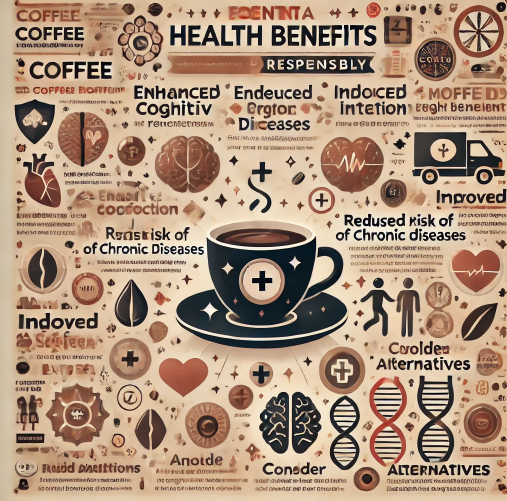
Numerous studies have linked coffee consumption to various health advantages:
Enhanced Cognitive Function: Caffeine, the primary stimulant in coffee, acts on the central nervous system, improving alertness, focus, and reaction time. It can counteract fatigue, enhance cognitive performance, and even improve short-term memory.
Reduced Risk of Chronic Diseases:
Diabetes: Research indicates that coffee may aid in regulating blood sugar levels, which could help lower the risk of developing diabetes.
Certain Cancers: Some research indicates that coffee may offer protection against certain types of cancer, including liver and colorectal cancer.
Improved Physical Performance: Coffee can boost athletic performance by raising adrenaline levels, which may enhance endurance and strength. It can also help reduce perceived exertion during exercise.
Weight Management: Coffee can contribute to weight management in several ways. It can increase metabolism, promote fat burning, and reduce appetite by increasing feelings of fullness.
Mood Elevation: Coffee can have a positive impact on mood by increasing dopamine levels, a neurotransmitter associated with pleasure and reward. This can help alleviate symptoms of depression and improve overall well-being.
Enjoying Coffee Responsibly
While coffee offers numerous health benefits, it's crucial to consume it responsibly:
-
Limit Intake: Excessive coffee consumption can lead to anxiety, insomnia, restlessness, and other adverse effects. The Food and Drug Administration (FDA) considers up to 400 milligrams of caffeine per day (approximately 4-5 cups of brewed coffee) safe for most healthy adults.
Choose the Right Beans: Opt for high-quality, freshly roasted coffee beans from reputable sources to maximize the health benefits and minimize potential risks.
-
Avoid Added Sugars: Adding sugar or artificial sweeteners to coffee can negate its health benefits and contribute to weight gain, increased blood sugar levels, and other health concerns.
-
Consider Alternatives: If you're sensitive to caffeine, explore decaffeinated coffee or other caffeine-free alternatives like herbal teas.
Coffee and Health: A Deeper Dive
Beyond the general benefits outlined above, coffee's impact extends to several specific areas:
-
Liver Health: Studies have shown that coffee consumption may protect against liver diseases such as cirrhosis and liver cancer. The antioxidants in coffee may help neutralize harmful toxins and reduce inflammation in the liver.
-
Heart Health: While some concerns existed in the past, recent research suggests that moderate coffee consumption may actually be beneficial for heart health. Coffee may contribute to lowering blood pressure and enhancing blood sugar control, both essential for cardiovascular health.
-
Mood and Mental Well-being: Beyond its energizing properties, coffee may positively influence mood and mental well-being. Research suggests that drinking coffee can lower the risk of depression and enhance overall mental health outcomes.
Important Considerations
Although coffee provides many health benefits, it’s important to consider individual sensitivities and possible interactions with medications.
-
Pregnancy and Breastfeeding: Pregnant and breastfeeding women are advised to consult their healthcare providers before increasing coffee intake, as caffeine can transfer into breast milk and potentially impact the developing fetus.
-
Anxiety and Sleep Disorders: Individuals with anxiety or sleep disorders may need to limit or avoid coffee altogether, as caffeine can exacerbate these conditions.
-
Medications: Coffee can interact with certain medications, such as those for anxiety, heart conditions, and blood pressure. Consult with your doctor or pharmacist to determine if coffee consumption is safe for you.
Side Effects of Excessive Caffeine Consumption
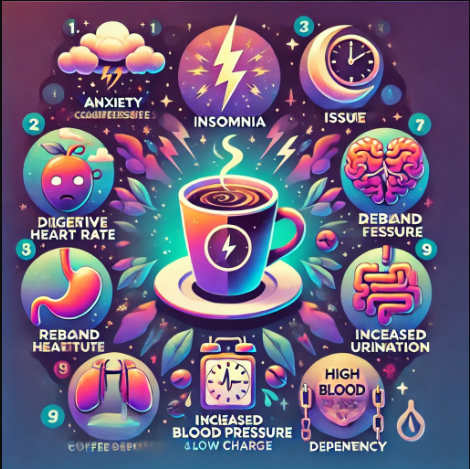
Caffeine, a natural stimulant in coffee, is commonly consumed for its ability to enhance alertness and energy. While moderate consumption is typically safe for most individuals, excessive intake may cause various unpleasant and potentially harmful side effects.
1. Anxiety
Excess caffeine can increase alertness but may also trigger anxiety, nervousness, and jitteriness, especially at high doses.
2. Insomnia
High caffeine intake can interfere with sleep, increasing the time it takes to fall asleep and reducing overall sleep quality.
3. Digestive Issues
Caffeine may cause digestive distress, including loose stools, diarrhoea, or worsening conditions like GERD(Gastroesophageal Reflux Disease).
4. Rebound Fatigue
While caffeine boosts energy, it can lead to fatigue once its effects wear off, especially with overconsumption.
5. Rapid Heart Rate
High caffeine intake may cause a rapid heart rate and irregular heart rhythms, particularly in sensitive individuals.
6. Muscle Breakdown
Excessive caffeine consumption has been linked to rhabdomyolysis, a condition that can cause muscle damage and kidney failure.
7. Increased Urination
Caffeine may cause frequent urination and urgency, especially in those who consume large amounts.
8. High Blood Pressure
Caffeine can temporarily raise blood pressure, especially in those unaccustomed to it, or when consumed before exercise.
9. Dependency
Regular consumption of high caffeine amounts can lead to psychological or physical dependency, causing withdrawal symptoms when intake is reduced.
Call to Action: Embrace the Coffee Culture
Coffee is a beloved beverage in the US and with good reason. By understanding its potential health benefits and consuming it responsibly, Enjoy daily cups of joe with Mutombo Coffee while supporting a thriving coffee industry.
Conclusion
Coffee, when enjoyed in moderation, can be a valuable addition to a healthy lifestyle. Its potential benefits range from enhanced cognitive function and reduced disease risk to improved physical performance and mood elevation. By making informed choices and embracing responsible coffee consumption, Americans can unlock the full potential of this beloved beverage
References
https://pubmed.ncbi.nlm.nih.gov/20164571/
https://pubmed.ncbi.nlm.nih.gov/20164571/
https://www.ncbi.nlm.nih.gov/pmc/articles/PMC3105282/
https://www.ncbi.nlm.nih.gov/pmc/articles/PMC3105282/
https://www.mayoclinic.org/drugs-supplements/caffeine-oral-route/description/drg-20137844
https://www.healthline.com/nutrition/caffeine-side-effects
https://www.healthline.com/nutrition/coffee-worlds-biggest-source-of-antioxidants
https://www.mutombocoffee.com/

 English
 Arabic
 French
 Spanish
 Portuguese
 Deutsch
 Turkish
 Dutch
Dutch
 Italiano
 Romaian
 Portuguese (Brazil)
 Tiếng Việt